
Understanding Oak Wilt: A Free Workshop for Landowners and the Community
Landowners and community members will learn how to identify the signs and symptoms of oak wilt, properly report suspected cases, and take steps to help prevent its spread.
Landowners and community members will learn how to identify the signs and symptoms of oak wilt, properly report suspected cases, and take steps to help prevent its spread.
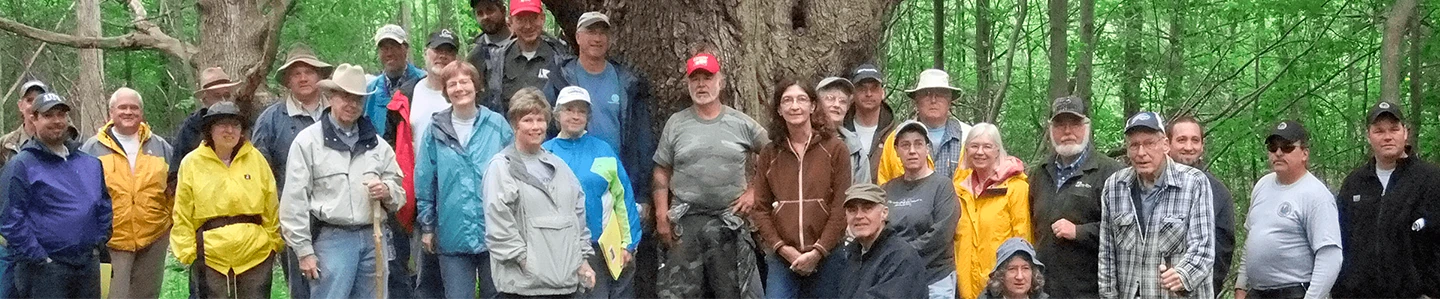
Community Forestry at its finest.
See the results of 16 years of forestry and habitat management, 3 acres of food plots developed from a failed spruce plantation, and hear how different federal grant programs can be used to enhance forest property.
View various regenerative silviculture methodologies, roadwork repair and American Beech management strategies.
Build a more sustainable future based on field-based conversations on all facets of forestry practices.
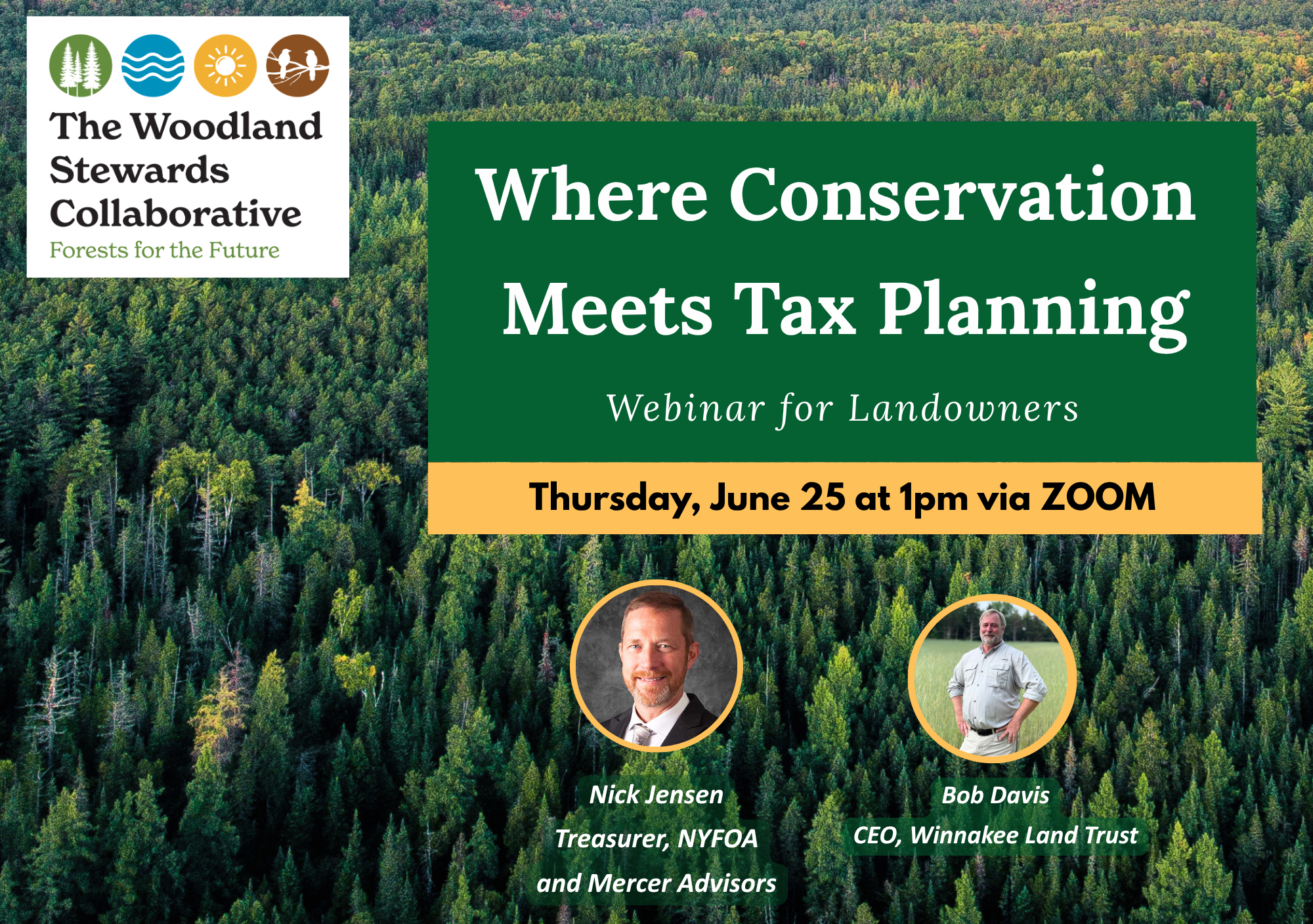
If you’ve ever thought “that conservation idea sounds interesting, but I have no idea whether it would actually work for me” — this session is built for you.
Learn more about the concept behind carbon credits and the details involved in program participation.
We will discuss the difference between a forest which has developed naturally to attain certain attributes such as volume, quality, vigor and vitality in contrast with that of a forest that might have the same volume but the quality, vitality, and vigor have been compromised.
The effect of three years of a deer exclusion fence. Limited to 20 participants.
Rensselaerville State Forest is a good example for softwood plantation management and has a variety of treatments that have occurred over the years (strip cuts, intermediate thinning, overstory removals, etc.) and ongoing work.